Crimson Desert Case Study: Development, Marketing Strategy, Platforms, Performance & Gaming Industry Impact
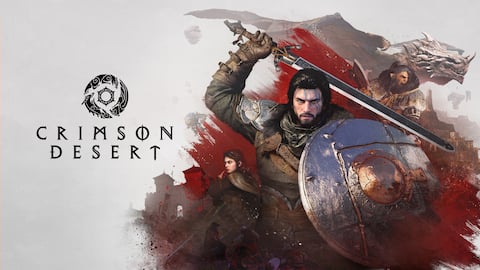
Crimson Desert Case Study: Development, Strategy, Technology and Industry Impact
Crimson Desert represents one of the most ambitious AAA game projects developed by South Korean studio Pearl Abyss. Positioned as a large-scale open-world action-adventure experience, the game attracted global attention long before release due to its cinematic gameplay presentation, proprietary engine technology, and aggressive global marketing strategy.
This case study analyzes Crimson Desert from a business, technology, and gaming industry perspective, examining why it became one of the most discussed modern open-world titles.
Game Overview
Crimson Desert is an open-world action-adventure game focused on narrative storytelling, exploration, large-scale combat systems, and immersive environmental interaction.
Unlike traditional RPG titles, the game blends cinematic storytelling with dynamic real-time combat mechanics. Players explore the continent of Pywel while following a character-driven storyline centered around survival, loyalty, and warfare between factions.
Core Genre Classification
- Open-World Action Adventure
- Story-Driven Single Player Experience
- Cinematic Combat System
- Exploration & World Simulation
The game emphasizes realism, physics interaction, and fluid traversal mechanics rather than purely stat-based progression systems.
Developer and Company Background
Pearl Abyss is a South Korea-based video game developer founded in 2010. The company gained international recognition through the global success of Black Desert, which established Pearl Abyss as a technically advanced studio capable of building large persistent worlds.
Company Growth Timeline
- 2010 — Company founded in South Korea
- 2017 — Public listing and global expansion
- 2018-2022 — International offices established across North America, Europe, and Asia
- Engine R&D Expansion — Development of proprietary internal game technology
- AAA Project Investment Phase — Large-scale projects including Crimson Desert
Pearl Abyss focuses heavily on internal technology development rather than relying on third-party engines, allowing greater control over rendering systems, physics simulation, and world streaming performance.
Country of Origin and Global Positioning
- Country: Republic of Korea
- Industry Position: Global AAA Developer
- Market Strategy: Worldwide simultaneous release
South Korea has traditionally dominated online multiplayer and MMORPG markets. Crimson Desert represents a strategic shift toward cinematic single-player console-focused experiences targeting Western and global audiences.
Technology and Engine
Crimson Desert runs on Pearl Abyss’s proprietary BlackSpace Engine.
Technical Advantages
- Advanced environmental simulation
- Real-time physics interactions
- Seamless open-world streaming
- Dynamic weather and lighting systems
- Large-scale battlefield rendering
Using an internal engine allows optimization tailored specifically for gameplay systems rather than adapting to generalized engine constraints.
Supported Platforms
The game launched with broad platform coverage to maximize audience reach.
Platforms
- PlayStation 5
- PlayStation 5 Pro
- Xbox Series X|S
- PC (Steam)
- Epic Games Store
- Mac App Store
- Cloud Gaming via GeForce NOW
Cross-platform availability significantly expanded early adoption potential.
Performance Technology and Optimization
Crimson Desert integrates modern performance scaling technologies designed to support a wide range of hardware configurations.
Supported Technologies
- AMD FSR Upscaling
- NVIDIA DLSS Support
- Intel XeSS Integration
- Ray Reconstruction Techniques
- DirectX 12 Rendering Pipeline
Console versions benefit from advanced upscaling and performance reconstruction systems, while PC users gain scalable graphical options enabling both high-end visual fidelity and optimized performance on mid-range hardware.
Marketing Strategy Analysis
Crimson Desert’s marketing strategy followed a multi-stage global exposure model.
Phase 1 — Awareness Creation
Initial gameplay reveal generated viral attention through cinematic trailers demonstrating real gameplay footage rather than pre-rendered scenes.
Phase 2 — Industry Validation
Hands-on demos at major gaming events provided credibility among media outlets and content creators.
Phase 3 — Platform Expansion Messaging
Announcements across console showcases and technology conferences positioned the game as a next-generation technical showcase.
Phase 4 — Conversion Strategy
- Multiple editions (Standard, Deluxe, Collector)
- Pre-order incentives
- Global storefront integration
- Continuous developer updates
This structured funnel moved audiences from awareness to purchase intent efficiently.
Business Structure, Investors and Ownership
Pearl Abyss maintains strong founder leadership influence, with significant ownership retained by company leadership. This ownership structure enables long-term creative decision-making without heavy external publisher control.
Financial Strategy Characteristics
- Self-publishing model
- Internal engine investment
- Long development cycles
- Technology ownership over licensing dependency
AAA development investments indicate long-term franchise planning rather than short lifecycle releases.
Strategic Partnerships
Key partnerships supported distribution, technology adoption, and global reach.
Major Partnership Areas
- Global digital storefront distribution
- Cloud gaming infrastructure integration
- Physical edition publishing partners
- Hardware ecosystem collaborations
These partnerships allowed Crimson Desert to launch simultaneously across traditional, digital, and cloud platforms.
Why Crimson Desert Became Famous in the Gaming Community
Several factors contributed to sustained community discussion:
- High graphical fidelity showcased early in development
- Large seamless open world demonstrations
- Real gameplay footage rather than cinematic marketing
- Reputation built from previous successful Pearl Abyss titles
- Technical ambition comparable to leading AAA franchises
Community interest was amplified by consistent visibility across global gaming events.
Competitive Comparison
Crimson Desert entered a competitive space dominated by large open-world action titles.
Competitive Positioning
- More physics-driven than traditional RPG systems
- Stronger combat realism focus
- Hybrid design between Western cinematic adventures and Korean technical polish
Instead of copying existing formulas, the game attempts to merge narrative immersion with systemic gameplay depth.
Industry Impact
Crimson Desert highlights several emerging trends in modern game development:
- Increasing importance of proprietary engines
- Cross-platform simultaneous releases
- Hybrid single-player experiences replacing purely online models
- Technology-first marketing approaches
The project demonstrates how mid-sized studios can compete with historically dominant Western publishers.
Estimated Market Lifecycle and Longevity
AAA open-world titles typically maintain peak visibility during:
- Launch window
- Major updates
- Expansion releases
- Community modding or replay cycles
Given its technical foundation and studio support structure, Crimson Desert has potential relevance within gaming discussions for multiple years following release, especially if additional content updates or franchise expansion occurs.
Key Data Summary
Developer: Pearl Abyss
Country: South Korea
Genre: Open-World Action Adventure
Engine: BlackSpace Engine
Platforms: PC, PlayStation, Xbox, Mac, Cloud Gaming
Development Model: Self-Published AAA Production
Primary Strength: Technology + Cinematic Open-World Design
Conclusion
Crimson Desert represents a strategic evolution both for Pearl Abyss and the wider gaming industry. By combining proprietary technology, global marketing execution, cross-platform accessibility, and cinematic gameplay ambition, the project demonstrates how modern AAA development increasingly relies on technological differentiation rather than genre repetition.
As the gaming industry moves toward larger immersive worlds supported by advanced rendering and performance technologies, Crimson Desert stands as a strong case study of how innovation, branding, and strategic timing can transform a single title into a globally recognized gaming event.